
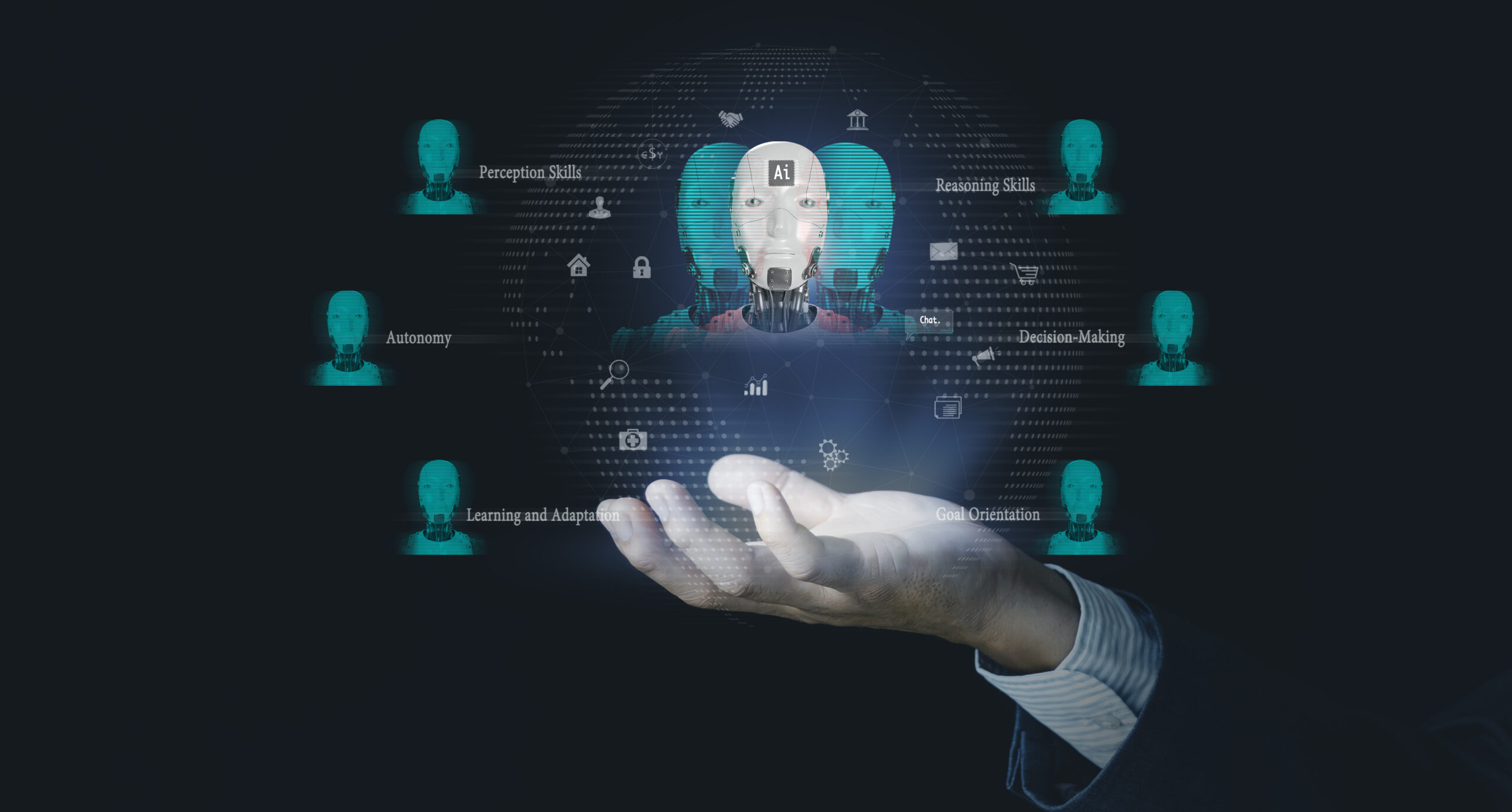
Leadership in the Age of AI: Coaches, Not Supervisors
Leadership in the age of AI is undergoing a quiet but powerful transformation. The traditional image of a leader as a supervisor—someone who monitors, directs, and controls—is fading fast. In its place, a more human, adaptive model is emerging: leaders as coaches.
This shift in leadership in the age of AI is not just driven by technology but by changing expectations. Employees today value autonomy, purpose, and growth. Combine that with the rise of remote work and AI-driven tools, and you get a completely new leadership landscape.
If you’re still relying on old-school management tactics, you may already feel the gap. The good news? This is an opportunity to evolve into a more impactful, future-ready leader. Embracing leadership in the age of AI means focusing more on empathy, collaboration, and continuous learning rather than rigid control.
Organizations that understand leadership in the age of AI are better positioned to build resilient teams, encourage innovation, and adapt quickly to change in an increasingly digital world.
The rise of leadership in the age of AI
Remote work has fundamentally changed how teams operate. Remote leadership is no longer about overseeing daily activities—it’s about creating alignment without constant supervision.
The reality of managing remote teams.
When managing remote teams, leaders often struggle with
- Limited visibility into daily work
- Communication gaps across time zones
- Difficulty maintaining team culture
- Risk of employee burnout or disengagement
These challenges can’t be solved with stricter controls. In fact, more control often leads to less trust.
What effective leadership in the age of AI looks like
Successful remote leaders focus on:
- Clarity over control: Clear goals and expectations reduce confusion
- Trust over tracking: Empower employees to manage their own time
- Connection over communication: Build relationships, not just workflows
A simple shift—like replacing status meetings with meaningful one-on-ones—can dramatically improve engagement.
Leadership in the age of AI: From support tool to strategic partner
AI in leadership is often misunderstood. It’s not about replacing leaders—it’s about enhancing their capabilities.
Think of AI as a decision-support system that helps you lead smarter, not harder.
Where AI adds value
- Data-driven insights: AI can analyze employee performance trends and highlight risks
- Predictive analytics: Identify potential delays, conflicts, or burnout early
- AI workflow automation: Automate repetitive tasks like reporting, scheduling, and updates
For example, instead of manually reviewing weekly reports, AI tools can summarize key insights in seconds, freeing you to focus on strategy and people.
The shift to a coaching leadership style
The most effective response to these changes is adopting a coaching leadership style.
What makes coaching different
Unlike traditional management, coaching leadership focuses on
- Asking guiding questions instead of giving instructions
- Encouraging independent thinking
- Supporting long-term development
Instead of saying, “Here’s how to do it,” a coach asks,
“What approach do you think would work best?”
Why coaching works in the AI era
- Employees feel more ownership
- Teams become more innovative
- Leaders spend less time micromanaging
This approach aligns closely with the transformational leadership style, where leaders inspire growth rather than enforce compliance.
Leadership in the age of AI development: smarter growth
Learning to lead effectively in this new environment requires continuous improvement. That’s where AI in leadership development becomes powerful.
How AI enhances leadership learning
- Personalized learning journeys: AI tailors content based on individual needs
- Real-time feedback: Immediate insights help leaders improve faster
- Skill gap identification: Understand exactly where to focus
Real-world applications
- Virtual coaching assistants
- AI-driven leadership simulations
- Communication analysis tools
These innovations are making ai powered leadership development more accessible and scalable than ever.
AI-powered leadership development platforms
Organizations are increasingly adopting AI-powered leadership development platforms to train leaders at scale.
What these platforms offer
- Adaptive learning modules that evolve with the user
- Analytics dashboards to track progress
- Personalized coaching recommendations
These tools ensure that leadership development is not a one-time event but an ongoing process.
How to use AI in remote leadership
If you’re wondering how to use AI in remote leadership, start with practical, high-impact areas.
1. Improve communication
AI can:
- Summarize long meetings into key takeaways
- Generate action items automatically
- Translate messages for global teams
2. Boost team engagement
AI tools can:
- Analyze employee sentiment through surveys or chats
- Suggest ways to improve morale and engagement
3. Streamline project management
Using AI tools for project management, leaders can
- Track milestones in real time
- Predict bottlenecks before they happen
- Allocate resources more effectively
4. Automate routine work
With AI workflow automation, repetitive tasks like reporting and scheduling are handled effortlessly.
This gives leaders more time to focus on strategic thinking and team development.
Managing remote teams with confidence
AI doesn’t replace the human side of leadership—it enhances it. When managing remote teams, the goal is to combine technology with empathy.
Smart practices to follow
- Use dashboards for visibility, not surveillance
- Schedule regular check-ins focused on well-being
- Encourage asynchronous communication
The result? A more balanced, productive, and engaged team.
People-first leadership: the heart of modern leadership
In a world driven by technology, people-first leadership stands out as the ultimate differentiator.
What it really means
- Prioritizing employee well-being over short-term output
- Creating a safe space for ideas and feedback
- Supporting continuous learning and career growth
Leaders who embrace this approach build stronger, more loyal teams.
The future of leadership
The future of leadership will not be defined by how well you control people, but by how effectively you empower them.
What to expect
- Increased collaboration between humans and AI
- Greater emphasis on emotional intelligence
- Continuous leadership development through AI
Leaders who adapt to these changes will not only survive—they’ll thrive.
Lead like a coach, not a controller
Leadership in the age of AI is ultimately about balance. Technology can provide insights, automation, and efficiency—but it cannot replace human connection.
The most successful leaders will be those who:
- Embrace remote leadership with trust and clarity
- Leverage AI in leadership for smarter decisions
- Adopt a coaching leadership style
- Invest in AI-powered leadership development
- Practice people-first leadership every day
The era of supervision is ending.
The era of coaching has begun.
And the leaders who understand this shift will shape the future of work.
editor's pick
Subscribe to the HR Digital Digest newsletter
Subscribe to HR Digital Digest for thoughtful insights on people strategy, workplace culture, talent tech, and the future of work, delivered straight to your inbox.
